Reviewing the EMT Heartbeat Medical Worker First Design
As a designer who spends half my life digitizing patterns and the other half watching needles punch through fabric, I have learned to look past the glossy preview images. When I downloaded the EMT Heartbeat Medical Worker First design, I was not just looking for a cute graphic. I was evaluating it as a potential asset for a client’s custom apparel line and my own small shop inventory. In the world of Crafts and digital Graphics, there is a significant difference between a file that looks good on a screen and one that stitches out cleanly on a textured sweatshirt. This review breaks down how this specific machine embroidery design holds up under real-world pressure.
First Impressions and Visual Personality
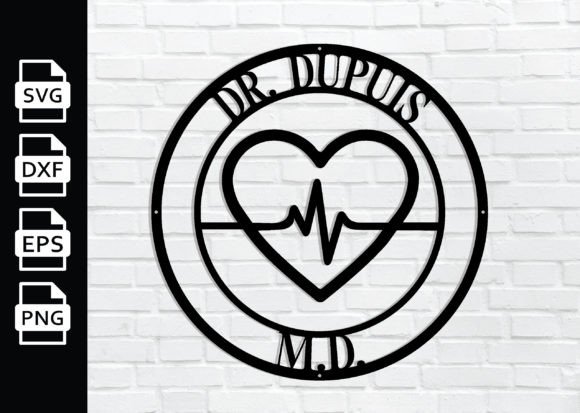
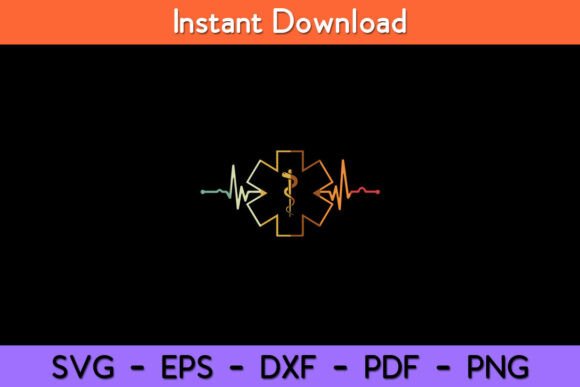
The first thing that strikes you about the EMT Heartbeat Medical Worker First file is its clarity. The layout balances the iconic heartbeat line with bold, legible typography. For an embroidery project, this balance is critical. Too much detail in the text can lead to thread breaks or illegible blobs after washing, while overly simple lines can look cheap. This design sits comfortably in the middle ground. It conveys urgency and care, which is exactly the mood required for first responder merchandise. The visual personality is professional yet approachable, making it suitable for both serious uniform patches and softer, personalized gifts.
I immediately imagined this design on a navy blue fleece jacket. The contrast of white or silver thread against dark fabric would make the heartbeat line pop, creating a striking visual effect. However, before committing to a final product, I always assess the negative space. In this case, the spacing between the letters and the pulse line seems adequate for standard needle sizes, reducing the risk of thread nesting during high-speed stitching.
Real-World Application Scenarios
To truly test a design, you must visualize it on various substrates. I recently worked on a batch of custom orders for a local fire department’s family day event. The EMT Heartbeat Medical Worker First design would have been an excellent candidate for their tote bag design needs. Canvas bags provide a stable surface that handles fill stitch areas well without puckering. The durability of the stitch pattern ensures that the design withstands the wear and tear of daily use, which is essential for a handmade product intended for active professionals.
Beyond tote bags, consider sweatshirt embroidery. This is where many designs fail due to fabric stretch. If you are using this file for a hoodie, I strongly recommend using a cut-away stabilizer rather than a tear-away. The weight of the embroidery needs support to prevent the garment from distorting over time. For a more delicate application, such as baby embroidery on a onesie, you might need to scale the design down significantly. In such cases, check the smallest details to ensure they remain visible. A tiny heartbeat line can easily get lost if the scale is too small for the thread thickness.
For those running an Etsy seller business or a small boutique, versatility is key. This design could easily be adapted into an embroidered patch using a satin stitch border. Patches are highly popular in the medical community as they allow for easy attachment to different uniforms without damaging the fabric. The clean lines of the EMT Heartbeat Medical Worker First design translate well to the dense stitching required for durable patches.
Technical Considerations for Stitching
When working with any digital embroidery file, understanding stitch types is crucial. While the exact stitch count and density are not provided in the initial description, experienced crafters know that text-heavy designs often rely on satin stitch for letters and running stitch for outlines. If this design uses heavy satin columns for the text, you must be mindful of the width. Satin stitches wider than 7mm can become loose and snag-prone. If you notice wide lettering in your software preview, consider adding underlay stitches or splitting the columns if your digitizing software allows edits.
Stitch density is another factor. High density creates a rich look but can cause fabric perforation or stiffness. For items like kitchen towels or lightweight aprons, lower density is preferable. If you are stitching on textured fabrics like terry cloth, the design needs enough coverage to bridge the loops of the towel. Test a sample on scrap fabric first. This simple step saves hours of frustration and wasted materials. Check how the thread colors interact with the fabric. A monochrome test in black and white can reveal contrast issues that color might hide.
Curved surfaces present unique challenges. If you plan to embroider this on a cap, the curvature can distort the horizontal heartbeat line. Use a strong stabilizer and consider hooping the cap with a backing that provides extra rigidity. Always inspect small details after the test run. Are the corners sharp? Is the text readable? These micro-details determine the perceived quality of your finished product.
Commercial Viability and Brand Consistency
For creative entrepreneurs, the value of a design lies in its marketability. The EMT Heartbeat Medical Worker First design taps into a niche market with high emotional engagement. Medical workers take pride in their profession, and products that reflect this identity sell well. Whether you are creating holiday embroidery gifts for nurses or custom apparel for a clinic’s opening, this design offers a professional aesthetic that builds customer trust.
However, commercial use requires diligence. Before listing items on your online store, confirm the licensing terms. Does the download include rights for commercial embroidery? Most instant download SVGs and embroidery files have specific restrictions. Never assume. Read the license file included in the download package. If you are selling design assets or printable mockups, ensure you are not violating intellectual property rights. Transparency with your customers about the handmade nature of your goods enhances brand consistency and loyalty.
Final Verdict for Makers
The EMT Heartbeat Medical Worker First design is a solid addition to any medical-themed portfolio. It is versatile enough for personalized gift projects and robust enough for small shop product lines. Its strength lies in its clear messaging and balanced composition. However, success depends on your execution. Choose the right stabilizer, respect the fabric limitations, and always test before production. By treating this file with the technical respect it deserves, you can create high-quality items that resonate with your audience. Whether you are a hobbyist making a gift for a friend or a seasoned craft business owner expanding your catalog, this design offers a reliable foundation for your next creative endeavor.